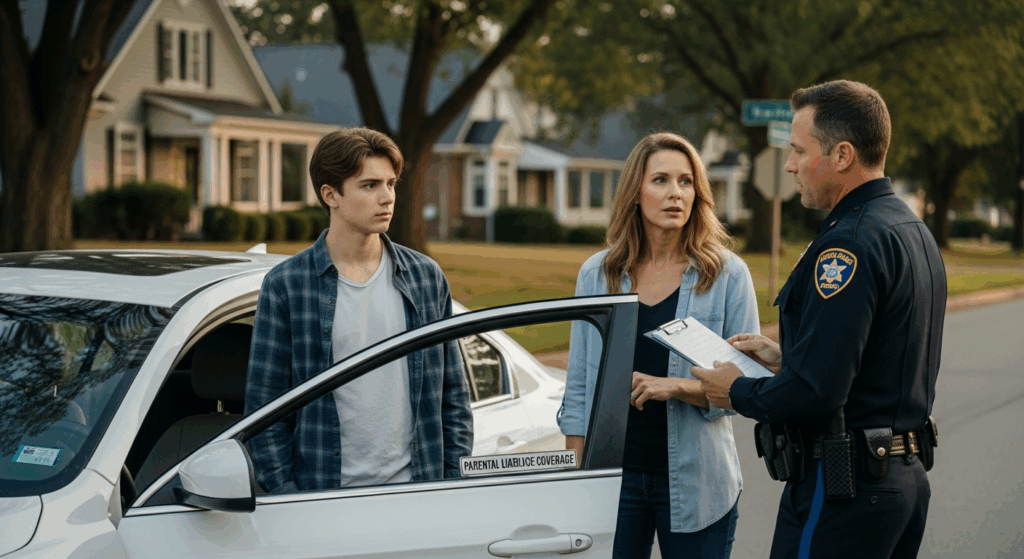
When a teen driver causes a car accident, the legal and financial aftermath can be overwhelming for families. A teen driver accident lawyer can help parents understand when they may be held responsible for damages and how Alabama law applies to these situations. At Cory Watson Attorneys, we have decades of experience helping families navigate the complexities of minor driver crash claims. This guide breaks down liability, insurance coverage, and prevention strategies to help protect both parents and teens on the road.
Minor Driver Crash Claim: Key Takeaways
- Government agencies must act promptly to salt. Parents can be held financially responsible if their teen causes a crash under the “family purpose doctrine.”
- Teen drivers must comply with Alabama’s graduated licensing laws to limit risk and liability.
- Understanding insurance coverage and acting quickly after an accident protects your family’s legal rights. Sand, or plow roads, once icy conditions are forecast.
- Delays or the failure to heed weather alerts may constitute negligence, allowing victims to file claims against cities or counties.
- Alabama’s strict filing deadlines require fast action, often within six months, to preserve your right to recover damages.
Understanding Alabama’s Graduated Driver Licensing Laws
Alabama’s Graduated Driver Licensing (GDL) system helps young drivers build experience gradually. According to theAlabama Law Enforcement Agency (ALEA), teens move through three stages: a learner’s permit, a restricted license, and a full license.
These stages include restrictions such as supervised driving hours, passenger limits, and nighttime driving limits. Violating these rules not only increases the risk of accidents but can also affect insurance coverage if a crash occurs.
For parents, this means keeping track of compliance is more than just good safety practice it can also protect against liability later. An experienced teen driver accident lawyer can review the details of a crash and determine whether a GDL violation might impact fault or insurance recovery.
When Sovereign Immunity Doesn’t Protect Negligent Agencies
Government entities are usually shielded from lawsuits under sovereign immunity, but Alabama Code § 11-47-190 allows victims to sue municipalities for “neglect, carelessness, or unskillfulness.” That includes failure to treat icy roads.
If you crashed on an untreated bridge, you may have a valid claim, showing that the city was aware of the hazard yet failed to act. Courts consider whether the agency had notice, either actual (reported ice) or constructive (forecasts and warnings). State agencies such as ALDOT follow a separate process through the Alabama Board of Adjustment, and private contractors hired for snow removal can also be held liable for breach of duty. In one Jefferson County case, a driver recovered damages after proving the city delayed plowing for hours despite multiple freeze warnings, demonstrating that persistence and documentation can overcome immunity barriers.
Using Weather Data and Maintenance Logs to Prove Negligence
Evidence forms the backbone of every winter weather accident claim. Attorneys gather and align data from several credible sources:
- NOAA storm reports and temperature logs to confirm when freezing began.
- ALDOT or city maintenance schedules, as well as GPS truck records, showing response times.
- Expert testimony from meteorologists and engineers on when and how ice formed.
- Physical evidence, such as photos, skid marks, or dashcam footage, to capture conditions before cleanup.
If data shows ice started forming at 4 a.m., but salt trucks weren’t deployed until 9 a.m., that delay can prove negligence. Because ice melts quickly, lawyers act fast to preserve evidence, sometimes issuing preservation letters within 24 hours.
Understanding Shared Fault Under Alabama Law
Even when agencies fail to treat roads, Alabama’s contributory negligence rule can affect recovery. If a driver is found even slightly responsible, compensation may be barred. However, strong evidence shows that untreated ice and cautious driving can shift blame back to the government.
Courts review speed, vehicle condition, and driver behavior. A Birmingham motorist driving below the speed limit who loses control on an unsalted bridge may still recover damages if forecasts show the city ignored ice alerts. Dashcam data, eyewitness accounts, and weather records often determine fault allocation.
Why Filing Deadlines Are Critical in Municipal Claims
In Alabama, injured drivers must file a written notice of claim within six months of the crash when suing a city or county. Missing that step can permanently bar recovery. After notice, victims generally have two years to file the actual lawsuit.
The notice must include the claimant’s name, accident location, date, and nature of damages. Cities such as Birmingham and Montgomery strictly enforce these timelines starting on the accident date, not when injuries are discovered.
Hiring an attorney early ensures compliance with every requirement. Lawyers can also send preservation requests to prevent agencies from deleting dispatch or GPS data that proves delayed response times. At Cory Watson Attorneys, we handle all filings and investigations for our clients, protecting their rights and preserving key evidence from day one.
Icy Road Accident Liability: Bottom Line
Winter crashes aren’t always “acts of nature.” When government agencies ignore warnings or fail to maintain icy roads, they can and should be held accountable. Acting quickly, collecting evidence, and filing within Alabama’s deadlines can make the difference between dismissal and recovery.
The widespread contamination of water and groundwater by AFFF and PFAS underscores an environmental crisis decades in the making. Cleanup will take time, funding, and corporate responsibility, but communities have the power to hold polluters accountable.
Winter Weather Accident Claim: FAQ
Below are some common questions about holding government agencies responsible for icy road crashes in Alabama.
Q1: Can I sue a city for not salting the roads?
Yes. If officials ignored forecasts or delayed treatment, and their inaction led to your crash, you may have a valid claim.
Q2: What evidence strengthens my case?
Weather data, maintenance logs, photos, and witness statements help establish that the city failed to act reasonably.
Q3: How long do I have to file a claim?
Most Alabama municipalities require written notice within six months of the crash, followed by two years to file a lawsuit.
Q4: What if I’m partly at fault?
Contributory negligence can limit recovery, but legal counsel can evaluate whether exceptions or defenses apply.
Q5: Will my insurance still cover the crash?
Yes, but if government negligence caused the accident, additional compensation may be available beyond your policy limits.
Time to Take Action
If you were injured in an icy road crash, don’t assume it was just the weather. Government inaction or delayed response may be the real cause. Cory Watson Attorneys helps victims pursue compensation for medical bills, lost wages, and pain and suffering while holding negligent agencies accountable. Schedule a free consultation today. You pay nothing unless we win.
About the Firm
Learn more about us.
Based in Birmingham, Alabama, with offices in Nashville and Memphis, Cory Watson Attorneys has spent over 40 years fighting for victims of negligence, defective products, and unsafe road conditions. Our firm is dedicated to achieving justice for injured individuals throughout the Southeast, having successfully recovered over $4 billion for our clients.