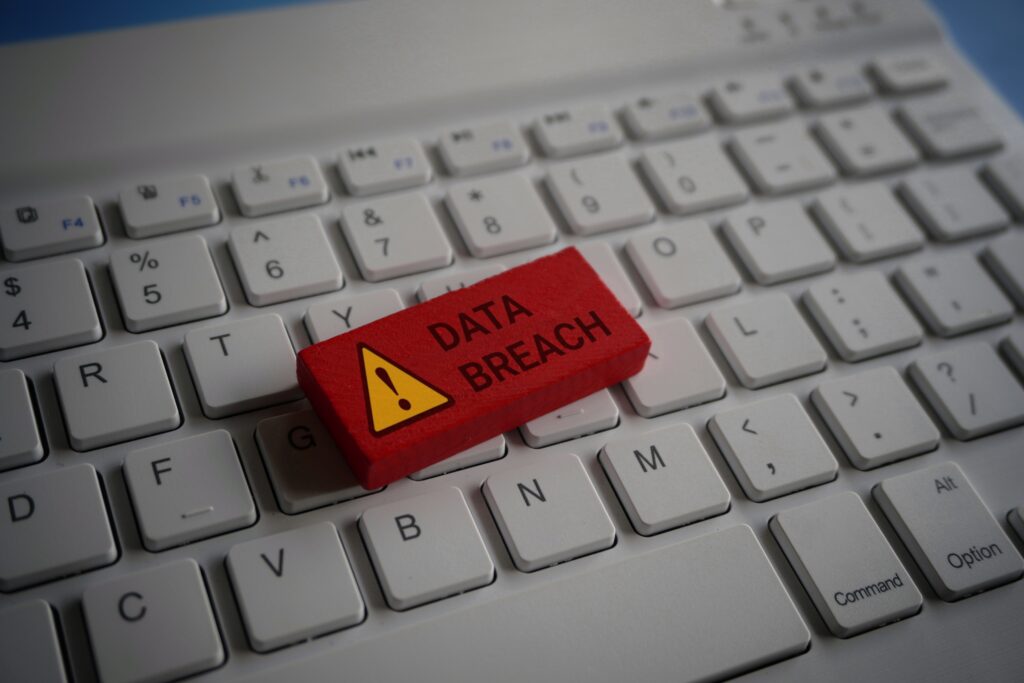
Discovering that your personal information has been exposed in a data breach can be overwhelming. Suddenly, your sensitive details, such as Social Security numbers, banking records, or medical files, may be in the wrong hands. This creates serious risks for identity theft, financial loss, and ongoing stress.
When your personal information is compromised, the last thing you want to worry about is how a neglectful company could make your life more difficult.
In this guide, you’ll learn your rights as a victim, what you can do to protect yourself after a breach, and when to consider pursuing data breach claims for compensation.
Key Takeaways
- Victims of data breaches in Alabama have the right to be notified and to seek compensation for any damages they suffer.
- Strong passwords, two-factor authentication, and credit freezes can help protect your accounts.
- Warning signs of identity theft include suspicious charges, new accounts, and sudden changes to your credit score.
- File complaints with the FTC, the Alabama Attorney General, or local law enforcement to document your case.
- Lawyers can help victims calculate losses and pursue data breach claims.
- Compensation can cover financial losses, time spent on recovery, and emotional distress.
- Cory Watson Attorneys has 44 years of experience and has recovered over $4 billion for clients, offering trusted help when self-protection steps aren’t enough.
Understanding Your Legal Rights
After a data breach, knowing your rights gives you peace of mind. Companies that hold your information must follow both state and federal laws to keep it safe.
- Right to be notified: Alabama law requires companies to inform you promptly if your personal data has been exposed. That notification often arrives by mail.
- Right to know what was taken: Victims can request details about what information was compromised, whether it’s just an email address or something more sensitive.
- Right to seek compensation: If negligence caused the breach and you suffered harm, you may have the right to file data breach claims and pursue data breach compensation.
Example: Big Breach Cases
When Equifax suffered a massive breach in 2017, millions of people (including many right here in Alabama) were eligible for compensation. That case shows victims can stand up for their rights and hold companies accountable.
Steps to Secure Personal Information
Once you learn that your information has been compromised, act quickly to reduce your risk.
Strengthen Your Passwords
- Create unique, strong passwords for every account.
- Use passphrases instead of short strings. It’s easier to remember and harder to hack.
- Password managers can help you keep all your information secure.
Add Extra Protection
- Enable two-factor authentication (2FA) for email, banking, and social accounts.
- Change your security questions if they contain information that could now be publicly available.
Notify Your Bank and Credit Providers
- Call your bank and credit card companies to flag potential fraud.
- Ask them to monitor for unusual activity.
- Keep a close eye on your bank and credit card statements.
Freeze Your Credit
You can request a free credit freeze from Equifax, Experian, and TransUnion. A freeze prevents anyone from opening new accounts in your name.
Quick Checklist
- Change passwords
- Enable 2FA
- Contact your bank
- Freeze your credit
Monitoring for Identity Theft
Data breaches don’t always cause problems right away. Months (or even years) later, the effects can resurface.
Red Flags to Watch For
- Bank or credit card charges you didn’t make
- New accounts in your name
- Calls from debt collectors about bills you don’t owe
- IRS letters about tax returns you never filed
- Medical bills for services you didn’t receive
How to Stay Alert
- Check your credit report regularly. Everyone is entitled to one free report per year from each bureau.
- Sign up for fraud alerts so lenders verify your identity before opening new accounts.
- Consider credit monitoring services for extra protection.
Filing Complaints with Authorities
If your personal data is misused, filing official complaints helps create a record.
Who to Contact
- Federal Trade Commission (FTC): Report at IdentityTheft.gov.
- Alabama Attorney General’s Office: File a consumer complaint with the state.
- Local Law Enforcement: Filing a report with your local authorities gives you documentation for disputes with creditors.
Why It Matters
- Provides proof that you’re a victim
- Strengthens your case for data breach claims
- Helps regulators track patterns of fraud
Seeking Legal Advice and Representation
Sometimes, no matter how many steps you take, the situation feels bigger than you can manage. That’s when legal advice can help.
What Lawyers Can Do
- Evaluate whether you qualify for data breach compensation.
- Calculate your losses, including stolen money and time spent fixing fraud.
- Represent you in negotiations or a lawsuit.
- Help you decide between joining a class action or filing your own claim.
What Compensation May Cover
- Reimbursement for stolen funds
- Payment for time and effort spent dealing with fraud.
- Compensation for stress and anxiety caused by the breach
When You’ve Done Everything but Still Need Help
You may have changed your passwords, frozen your credit, filed reports, and closely monitored your accounts. But sometimes that isn’t enough. If you’re still struggling, it may be time to bring in professional help.
Cory Watson Attorneys has been helping clients for over 30 years and has recovered more than $4 billion for individuals harmed by negligence.
Final Thoughts
Being the victim of a data breach is stressful, but you are not powerless. By acting quickly, keeping a close eye on your accounts, and promptly reporting any suspicious activity, you can protect yourself and strengthen your case for data breach claims.
And if the damage becomes too much to handle alone, Cory Watson Attorneys has the experience and results to fight for the data breach compensation you deserve.