You grabbed a coffee and a sandwich on your way to work. A few hours later, you were doubled over in pain. If you suspect food poisoning after visiting a Starbucks or any food service chain in Alabama, you may have more legal options than you realize.
This guide walks you through potential steps to take and the compensation that may be available.
Steps to Take If You Suspect Food Poisoning
Acting quickly is vital for preserving a claim. The first 24 to 72 hours after you fall ill are the most critical for documenting the link between the establishment and your illness.
1. Seek Medical Attention Immediately
See a doctor or go to urgent care as soon as possible. Request a stool culture or blood test to identify the specific pathogen (such as Salmonella or E. coli). According to the Centers for Disease Control and Prevention (CDC), a confirmed lab diagnosis is the most effective way to tie your illness to a specific source.
2. Document Everything
Keep a log of your symptoms, including when they started and how long they lasted. Note any missed work or medical expenses. Additionally, save your receipts or digital transaction records.
If others in your group also got sick after eating the same item, collect their contact information. Reports from multiple consumers can significantly strengthen a claim.
The Legal Process: Negligence and Liability
Filing a food poisoning lawsuit involves proving that a company failed in its duty to provide safe food. Most claims rely on one of three legal theories:
- Negligence: The establishment failed to exercise reasonable care in handling or preparing food.
- Strict Liability: The product was contaminated and caused harm, regardless of the precautions taken by the staff.
- Breach of Warranty: The food sold carried an implied "warranty" that it was fit for human consumption.
Under the Alabama Code Title 7 section 7-2-314, goods sold by a merchant must be "merchantable," meaning they are fit for the ordinary purposes for which such goods are used, including being safe to eat.
Potential Compensation for Victims
Food poisoning can lead to significant financial losses. According to the USDA Economic Research Service, foodborne illnesses cost Americans billions annually in medical care and lost productivity. Victims may seek recovery for:
- Hospitalization and doctor visits.
- Lost wages from time away from work.
- Pain and suffering.
- Long-term health complications (such as kidney issues or chronic digestive distress).
Why Corporate Responsibility Matters
Large chains are expected to maintain strict food safety training. When these standards slip, the results can be widespread. For instance, earlier reports highlighted that Starbucks pulled a specific chicken sandwich from its menu in 2022 following numerous illness reports.
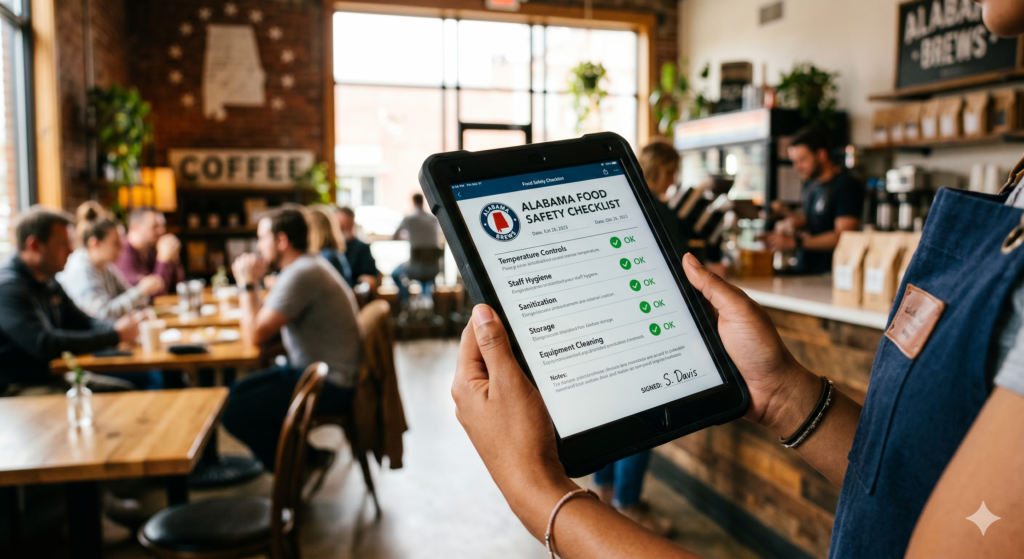
The Alabama Department of Public Health (ADPH) enforces the Food Code to ensure personnel hygiene and proper temperature controls. If a location violates these codes, it can serve as powerful evidence in your case.
Legal Disclaimer: This blog post is for informational purposes only and does not constitute legal advice. The information provided does not create an attorney-client relationship. Every case is unique, and you should consult with a licensed attorney regarding the specifics of your situation. Cory Watson Attorneys is not responsible for the content of external websites.