Firefighter AFFF exposure has become a significant concern nationwide as more studies reveal the long-term health effects of PFAS chemicals. AFFF, or aqueous film-forming foam, contains PFAS compounds that stay in the body for years. Firefighters have some of the highest PFAS blood levels of any occupation, raising serious health questions and increasing the need for reliable legal guidance.
This page offers a clear explanation of how exposure happens, known risks, and applicable legal rights.
To consult with an attorney in Tennessee or Alabama, contact Cory Watson Attorneys today.
Key Takeaways
- Firefighters experience significantly higher PFAS exposure than other essential workers.
- Avoid assuming past exposure is harmless, especially if training involves AFFF foam.
- Firefighters and families may have legal options even many years after exposure.
What Firefighters Need to Know About AFFF Exposure
AFFF has long been used to control fuel-based fires at airports, military bases, and industrial sites. The foam spreads quickly to smother flames, but it often contains PFAS, a group of chemicals known for remaining in the human body and the environment. Because AFFF was used in both emergencies and training drills, firefighters repeatedly came into contact with it.
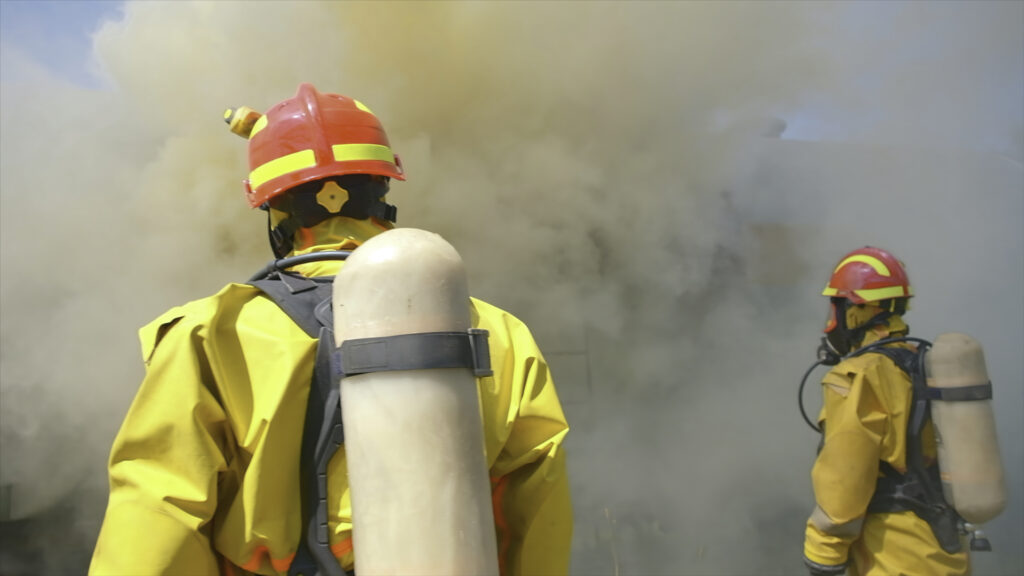
The University of Arizona Health Sciences conducted a study of 1,960 essential workers and found firefighters had the highest PFAS levels among all groups tested. PFAS levels in other professions dropped by up to 17% per year, but firefighter levels remained consistently high.
How Occupational Exposure Happens
When Fighting Fuel-Based Fires
Fuel-based fires require specialized foam. During these events, PFAS can enter the body through heat, vapor, or direct contact. Long responses increase the chance of absorption.
When Training With Foam
Many fire departments used AFFF freely during training, sometimes weekly. Cleanup was often limited, and foam runoff remained in soil and training pads for years.
When Using Contaminated Gear or Equipment
PFAS cling to surfaces and fabrics. Turnout gear, helmets, and gloves can carry PFAS even after cleaning. PFAS often settle in dust around stations or storage rooms.
What Government Studies Show
The Agency for Toxic Substances and Disease Registry (ATSDR) and CDC evaluated ten communities near military bases where AFFF was heavily used. Their assessments found PFHxS levels above the national average at all 10 locations, with PFOS and PFOA elevated in most. These findings show how persistent PFAS contamination can be.
The Fire Fighter Cancer Cohort Study also found higher PFAS levels in firefighters and identified biological changes connected to prostate cancer and aging. Their research supports concerns about long-term exposure.
Why Some Protective Measures Did Not Work
Gear That Contained PFAS
Turnout gear is designed for heat protection, but many sets include PFAS in moisture barriers. Over time, heat, sweat, and wear can release PFAS, increasing exposure.
Limited Warnings From Manufacturers
Manufacturers knew PFAS were persistent and potentially harmful, but warnings were inadequate. Firefighters did not receive clear safety guidance about long-term risks.
Uneven Station Policies
Foam was sometimes stored near living areas. Some departments lacked decontamination plans, and cleanup practices varied between stations. These gaps added to the overall exposure.
NFPA highlights the National Institute for Occupational Safety and Health (NIOSH) studies showing firefighters have a nine percent higher cancer diagnosis rate and a fourteen percent higher cancer death rate than the general population. Their summary helps explain why PFAS exposure matters.
What Legal Compensation May Be Available
Types of Claims
Legal claims may include product liability, failure to warn, or medical monitoring where permitted. These claims focus on manufacturers of AFFF and gear that contained PFAS.
What Damages May Include
Damages may involve medical bills, cancer treatment costs, long-term monitoring, lost income, disability, and pain. Families may also qualify for wrongful death compensation.
What Strengthens a Claim
Strong claims include detailed service history, documentation of training locations, medical records, and proof of assignments at airports or military bases.
To learn more about legal options, visit our AFFF Lawsuit page.
Examples of Real AFFF Exposure Cases
Common Exposure Patterns
Firefighters who trained at military bases, airports, or industrial sites often describe similar exposure patterns involving heavy foam use and limited cleanup. Many later faced diagnoses that prompted legal claims. These examples do not predict future outcomes.
Current Litigation
Thousands of lawsuits against AFFF manufacturers are part of ongoing multi-district litigation. Many claims assert manufacturers did not provide adequate warnings about PFAS risks.
How Laws Are Changing to Protect Firefighters
Federal Progress
The EPA set national limits of 4 parts per trillion for PFOA and PFOS, and 10 parts per trillion for PFHxS, PFNA, and GenX in drinking water. These standards reflect rising awareness about PFAS hazards.
State Actions
States have considered hundreds of PFAS-related bills in recent years. Many now restrict PFAS foams in training, require manufacturers to disclose PFAS in gear, or fund cleanup programs.
The National Conference of State Legislatures offers a detailed overview of PFAS laws across the country.
Common Questions and Their Answers
- Does exposure to AFFF automatically mean I can file a claim?
Not always. A claim typically requires both proof of exposure and a medical condition linked to PFAS. An attorney reviews your work history, medical records, and the timeline of exposure to determine eligibility. - What health conditions are commonly linked to PFAS exposure?
Research connects PFAS to several cancers, including kidney, testicular, and prostate cancer. PFAS exposure may also relate to thyroid disease, immune issues, high cholesterol, and specific reproductive health problems. - Is cancer the only illness associated with PFAS?
No. Cancer is a significant concern, but PFAS have been studied for links to hormone disruption, liver problems, fertility concerns, and immune system changes. These risks depend on the type and duration of exposure. - How long do firefighters have to file a claim?
Filing deadlines vary by state. Many claims fall under a personal injury statute of limitations that begins when a firefighter learns their illness may be related to AFFF exposure. An attorney can review your timeline to determine the correct deadline. - Can retired firefighters still file?
Yes. Many claims come from retired firefighters who were exposed years ago. Eligibility depends on medical records, past assignments, and confirmation of AFFF or PFAS contact. - What documentation supports an AFFF-related injury?
Helpful documents include training logs, duty records, medical diagnoses, pathology reports, and proof of assignments at airports or military bases. Photos of gear or foam storage areas may also help. - How do claims work if the exposure happened on a military base?
Many AFFF lawsuits involve military installations. Firefighters who trained or responded at bases may still file claims, even though the lawsuits target manufacturers rather than the military. - How do attorneys connect PFAS exposure to a diagnosis?
Attorneys use medical records, occupational histories, scientific studies, and expert testimony to show how exposure aligns with known PFAS health risks.
Get Support for Firefighter AFFF Exposure
If AFFF exposure affects your health or the health of someone you love, help is available. Contact Cory Watson today for a free consultation.
About Our Firm
We represent individuals and families harmed by dangerous products and environmental toxins. Our team is committed to helping firefighters understand their rights and pursue compensation. To learn more about our legal team, testimonials, and case results, visit our Firm Overview page.