The CDC and FDA have linked shredded iceberg lettuce from Taylor Farms de México to a Cyclospora infection outbreak tied to Taco Bell locations in Indiana, Kentucky, Michigan, Ohio, and West Virginia. That link rests on traceback and patient-interview evidence, not a confirmed positive lab test on the product itself; an initial positive sample on July 18, 2026, was walked back as a false positive the next day. More than 1,600 confirmed infections and 94 hospitalizations have been reported since illness onset began May 13, 2026.
If you were hospitalized with a lab-confirmed Cyclospora infection after eating at one of these Taco Bell locations, our food poisoning lawyers at Cory Watson Attorneys are currently evaluating claims tied to this outbreak.
Key Takeaways
- The CDC and FDA linked Taylor Farms de Mexico lettuce to the Taco Bell Cyclospora outbreak in five states, based on traceback and patient-interview evidence.
- More than 1,600 confirmed cases and 94 hospitalizations have been reported since mid-May 2026.
- A lab-confirmed diagnosis, not just symptoms, is the evidence that anchors a claim.
- Your case needs a domestic, non-travel exposure history matching the outbreak states and timeline.
- The recall began July 17, 2026, covering restaurant and retail lettuce in 27 states.
- Claims rest on product liability, manufacturing defect, failure to warn, and negligence theories.
- Case evaluations are free, with no fees unless compensation is recovered.
Timeline of the Outbreak
- Mid-June 2026: A Cyclospora cluster is added to the FDA's CORE outbreak table, opening a federal investigation.
- May 13 – July 13, 2026: Onset dates for the 1,644 confirmed cases later tied to Taco Bell.
- Early July 2026: Michigan's case count passes 572, making it the epicenter.
- July 14, 2026: The CDC's Health Alert Network notice reports 1,645 domestically acquired confirmed cases across 34 states.
- July 16–17, 2026: The CDC and FDA link Taco Bell lettuce to the outbreak; traceback identifies Taylor Farms de Mexico.
- July 17, 2026: Taylor Farms recalls iceberg lettuce sourced from central Mexico across 27 states; Taco Bell confirms removal from its supply chain.
- July 19–20, 2026: An initial positive product test is walked back as a false positive; traceback and patient-interview evidence still point to the lettuce.
What Is a Cyclospora Infection?
Cyclosporiasis is caused by the parasite Cyclospora cayetanensis, spread through food or water contaminated with human fecal matter, most often on fresh produce. Symptoms start one to two weeks after exposure: watery diarrhea, cramping, nausea, fatigue, and weight loss. Diagnosis requires a stool test specifically ordered for Cyclospora, since standard ova-and-parasite exams and many GI PCR panels do not screen for it; patients may need specimens on more than one day because the parasite sheds intermittently. Trimethoprim-sulfamethoxazole (Bactrim) is the treatment of choice, with no equally effective alternative for sulfa-allergic patients.
This diagnostic gap has a direct legal consequence: a documented, provider-ordered Cyclospora test is the evidence that anchors a claim. A general food-poisoning diagnosis, without that specific test, is not enough on its own.
Why Taco Bell Lettuce Was Linked to the Outbreak
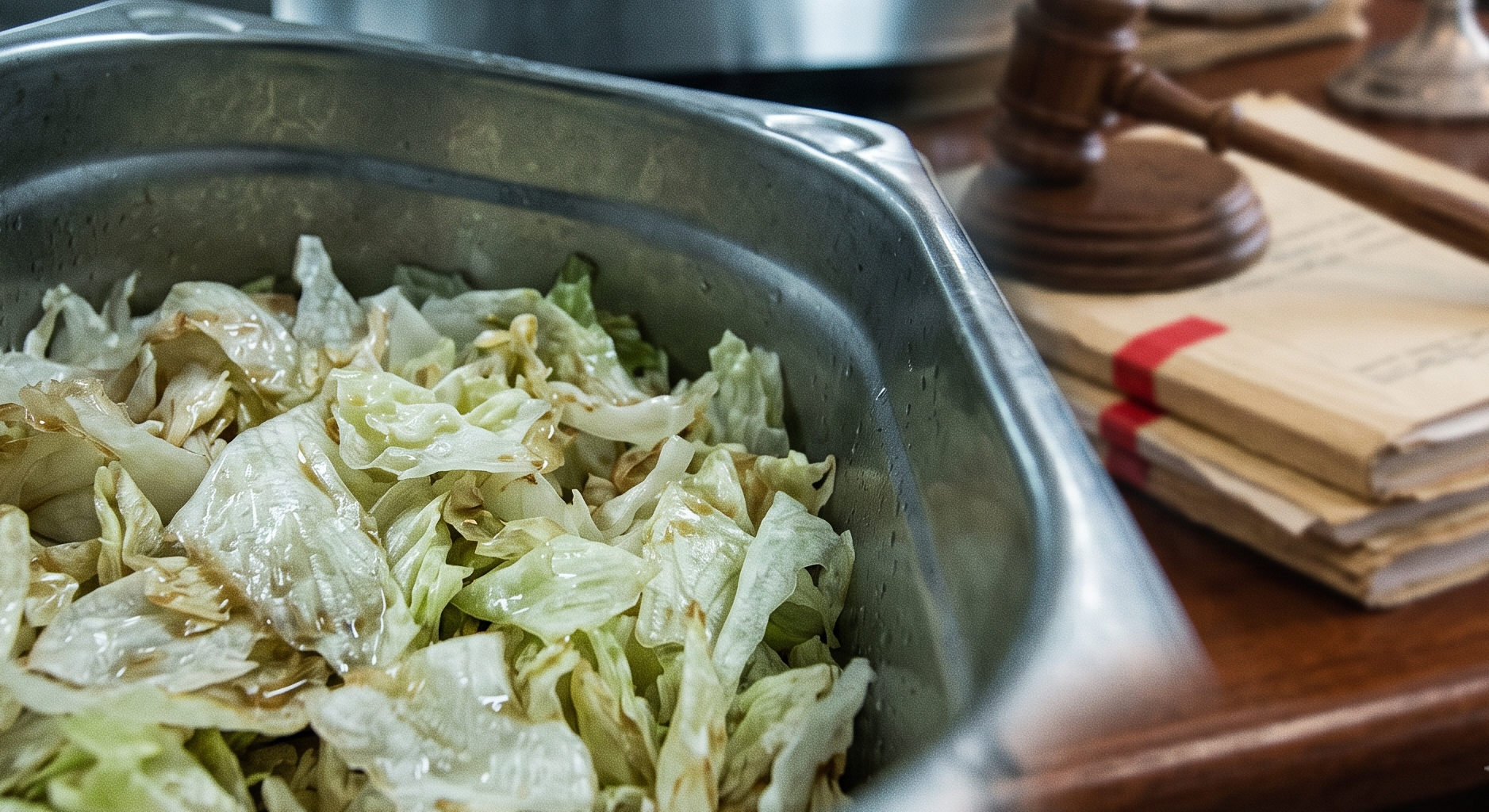
Michigan officials interviewed 190 confirmed Taco Bell cases, and roughly 9 in 10 recalled eating shredded iceberg lettuce before falling ill. That pattern, combined with FDA traceback, converged on Taylor Farms de Mexico, based in Guanajuato. On July 17, 2026, Taylor Farms voluntarily recalled all iceberg lettuce from that region, including Marketside-brand retail bags sold at Walmart with best-by dates of July 18 through August 3. The recall's 27-state reach, against 5 confirmed outbreak states, shows how far one contaminated supply line traveled before the source was found.
Potential Risks and Complications
Untreated cyclosporiasis can last a month or longer and relapse after symptoms appear to clear. The CDC lists malabsorption as a documented complication of prolonged infection, and immunocompromised patients may face a more severe course. These are the facts that separate a routine illness from a viable claim: a confirmed test, hospitalization or comparable treatment, and documented lost wages tied directly to the diagnosis.
Do You Have a Cyclospora Infection Case?
You may have a claim if:
- You have a laboratory-confirmed Cyclospora infection, specifically tested, not just symptoms consistent with food poisoning.
- You ate at a Taco Bell in the U.S., within weeks before symptoms began, and did not travel outside the U.S. in the prior 14 days.
- You were hospitalized or required significant medical treatment connected to the infection.
Claims tied to this outbreak rest on product liability, manufacturing defect (contamination introduced during growing, harvesting, or processing), failure to warn, and negligence in food safety standards across the supply chain. An attorney can review your records and diagnosis and tell you within one call whether your facts meet that bar.
How Our Firm Investigates a Claim Like This
Building a case means matching your exposure and diagnosis against the public health record: FDA traceback data naming Taylor Farms de Mexico, CDC case counts by state, and the recall's lot codes and distribution dates.
The personal injury attorneys at Cory Watson have built a 44-year litigation record, recovering more than $4 billion for clients and holding leadership roles in major multidistrict litigations, and apply that same document-driven approach here.
Offices in Birmingham, Alabama; Memphis, Tennessee; and Nashville, Tennessee put an attorney within reach if you were exposed in any of the affected states.
Get Started Today
There are no fees unless we recover compensation for you.
Contact Cory Watson Attorneys today for a free case review if you were hospitalized with a confirmed Cyclospora infection after eating at Taco Bell.
Disclaimer: This article is informational only and is not legal advice. Past results do not guarantee a similar outcome in any future case. No attorney-client relationship is formed by reading this content. Consult a licensed attorney in your state about your specific situation.