Aqueous Film Forming Foam (AFFF) water contamination has become one of the most serious environmental challenges in the U.S. Used for decades to fight fuel-based fires, this firefighting foam contains PFAS, also known as “forever chemicals,” which do not break down and can remain in groundwater and soil for generations.
At Cory Watson Attorneys, our environmental lawyers represent families, municipalities, and water systems affected by PFAS contamination in groundwater. With decades of litigation experience and national recognition in toxic exposure cases, our firm helps individuals and communities recover damages and push for safer, cleaner water.
PFAS Groundwater Pollution: Key Takeaways
- PFAS chemicals in AFFF persist in groundwater for decades, contaminating drinking water and soil.
- The EPA’s 2024 regulation now enforces strict limits for six major PFAS compounds in U.S. tap water.
- Legal action helps affected communities fund cleanup, health testing, and long-term remediation.
How AFFF Contaminates Water and Ground Systems
AFFF was designed to smother fuel fires, forming a thin film that cuts off oxygen. However, the same chemical stability that makes it effective in firefighting also allows PFAS to persist in the environment.
When AFFF seeps into soil from airport runoff or firefighting sites, PFAS chemicals migrate into nearby water sources. The U.S. Environmental Protection Agency (EPA) reports that PFAS can travel long distances underground, contaminating drinking water wells and aquifers.
In 2024, the EPA established the National Primary Drinking Water Regulation for PFAS, setting enforceable limits for six compounds, including PFOA and PFOS. Areas near airports, industrial plants, and military bases often exhibit concentrations that far exceed these limits.
Even wastewater treatment plants cannot entirely remove PFAS, so these toxins can return to rivers or be incorporated into agricultural sludge used as fertilizer. This cycle illustrates the long-term environmental impact of AFFF, which contaminates multiple ecosystems.
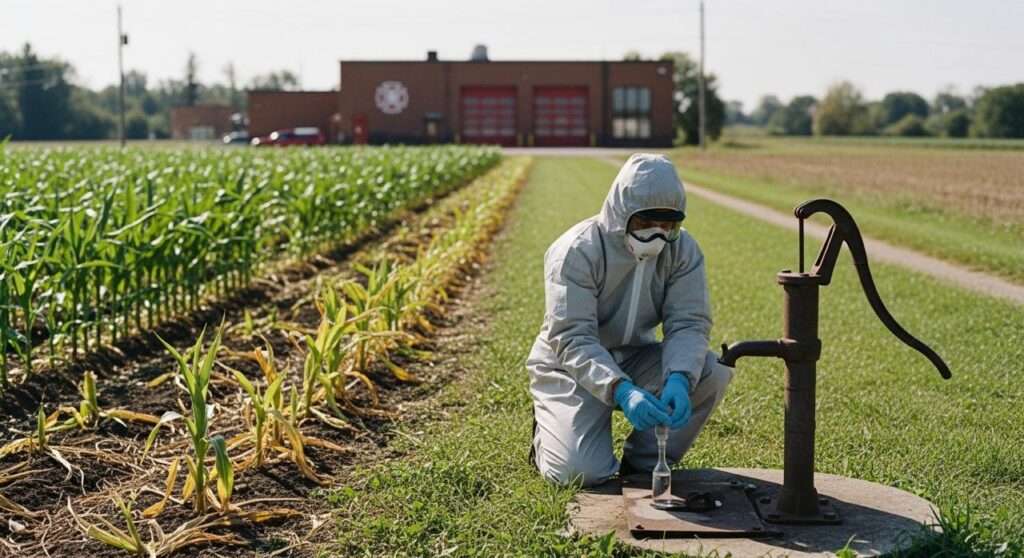
States Hit Hardest by PFAS Contamination
While PFAS groundwater pollution is a nationwide problem, certain states face higher exposure risks due to industrial or military activity. The U.S. Geological Survey (USGS) found that nearly 45% of U.S. tap water contains at least one PFAS compound.
- Alabama: Areas near Huntsville, Decatur, and Enterprise report persistent contamination from industrial facilities and defense sites.
- Michigan: Leads the country in PFAS testing and community outreach programs.
- Colorado, New Hampshire, and North Carolina: Have active cleanup efforts around military installations and airports.
- Wisconsin and Florida: Implement statewide testing and well remediation programs.
State agencies, in partnership with the Department of Defense and EPA, continue to expand PFAS monitoring and cleanup programs. These projects are crucial for identifying hotspots and supporting affected households.
How to Test and Identify Contaminated Areas
Detecting PFAS early is crucial for ensuring safety and maintaining legal accountability. The EPA uses Testing Methods 537.1 and 533 to measure PFAS in drinking water, and all public water systems are required to comply with reporting under the 2024 rule.
Private well owners can request testing through certified laboratories or their state's environmental agency. The Department of Defense’s PFAS Task Force is also conducting assessments at more than 700 military installations where AFFF was historically used.
If tests confirm contamination, residents should:
- Compare results with the EPA’s enforceable PFAS limits.
- Contact local health departments for bottled water or assistance with filtration.
- Keep documentation, including lab results and correspondence, for future legal action.
Testing provides more than awareness; it creates an essential record for proving contamination sources and damages.
The Environmental and Agricultural Impact of AFFF
Once PFAS enters groundwater, the contamination doesn’t stop at the faucet. It spreads through the agriculture and food supply chain, posing risks to crops, livestock, and communities.
The Agency for Toxic Substances and Disease Registry (ATSDR) and Centers for Disease Control and Prevention (CDC) link PFAS exposure to thyroid disease, reproductive harm, and several cancers. In Michigan and Maine, farms were forced to shut down after PFAS-tainted water led to contaminated milk and soil.
A 2024 agricultural study revealed that PFAS concentrations in irrigation systems exceeded the EPA’s health advisory levels, demonstrating the deep-seated impact of AFFF pollution on the environment. Even advanced treatment methods, such as activated carbon or reverse osmosis, can be costly and limited in scope.
These health and economic losses underline the urgent need for corporate accountability and stronger environmental protection policies.
Legal Options for Communities Affected by AFFF
Communities across the U.S. are taking action against AFFF manufacturers. Hundreds of lawsuits are now consolidated under AFFF Multi-District Litigation (MDL No. 2873) in South Carolina. These cases allege that manufacturers knowingly sold products containing PFAS without providing adequate warnings about the long-term health risks associated with these substances.
Cory Watson Attorneys represents victims of AFFF water contamination, including municipalities and individuals. Our firm helps clients pursue compensation for:
- Water system cleanup and filtration infrastructure
- Personal injuries for individuals harmed by exposure to PFAS from AFFF
- Medical monitoring and health testing
- Property damage and economic losses
Most claims are handled on a contingency basis, meaning clients pay nothing unless compensation is secured. Successful settlements often fund remediation efforts and provide justice for families whose health and property were harmed.
Contact Us Today
If you believe AFFF may contaminate your water supply, don’t wait to act. Early testing and legal guidance can help protect your health and secure compensation for cleanup and monitoring.
Reach out to Cory Watson Attorneys for a free consultation. Our firm represents communities nationwide that have been impacted by PFAS and environmental negligence, and you pay nothing unless we win.
Environmental Impact of AFFF: Bottom Line
The widespread contamination of water and groundwater by AFFF and PFAS underscores an environmental crisis decades in the making. Cleanup will take time, funding, and corporate responsibility, but communities have the power to hold polluters accountable.
With experienced environmental attorneys, victims can pursue justice and protect their health, as well as that of future generations.
AFFF Water Contamination: FAQ
If your community has discovered PFAS in its water supply, you likely have questions about testing, liability, and your rights:
Q1: What are PFAS chemicals, and why are they dangerous?
PFAS are synthetic chemicals that accumulate in the body and environment, linked to cancers, thyroid disorders, and reproductive harm.
Q2: How can I check if my water is contaminated?
Public water utilities must disclose PFAS test results under EPA regulations, or you can send private samples to certified labs.
Q3: Who is responsible for PFAS cleanup?
Manufacturers, facility operators, and government entities may share liability for contamination and remediation.
Q4: Can individuals file lawsuits for AFFF exposure?
Yes. Both residents and municipalities can participate in national litigation to seek financial compensation for damages caused by PFAS contamination.
Q5: What health risks are linked to PFAS exposure?
Studies from the CDC and ATSDR associate PFAS exposure with immune suppression, fertility issues, and certain cancers.
About the Firm
For over 40 years, Cory Watson Attorneys has represented clients nationwide in environmental contamination, personal injury, and product liability cases. With more than $4 billion recovered, we’re dedicated to helping families and municipalities fight back against corporate pollution and safeguard public health. Learn more about us.